

A proforma invoice is a preliminary document that outlines the costs of goods or services being sold from one business to another, including items, quantities, prices, and any taxes or shipping charges. It is typically sent before the goods or services are delivered, so both parties can agree on pricing before the final sales invoice is issued.

Every business needs to send invoices for the goods and services they provide. That's why they need to use a Proforma Invoice to outline the costs and other details of the transaction for the client's consideration.
This post will explain what a Proforma Invoice is, why you use it, and when it's used.
Need to create an invoice?
Add your logo and line items, set tax and currency, and download a clean PDF. Free, no signup, no watermark.
What is a Proforma Invoice?
A proforma invoice looks and reads like a real invoice, itemized goods or services, quantities, prices, taxes and shipping charges, but nothing has shipped yet and no payment is officially due. It exists so both sides can confirm the numbers before the seller commits anything to paper as an official sale.
The pro forma invoice is typically sent out before the goods and services are delivered. It serves both parties by providing an opportunity for a pricing agreement before exchanging anything or sending out the final sales invoice.
The document also gives both sides a shared record of the price and terms they agreed on before the seller issues the sale for real. It's therefore important for every business owner to know how to write a sales invoice, after both parties have agreed on the proforma invoice terms and costs.
What Does a Proforma Invoice Look Like? (Example)
Say a homeware wholesaler in Portland is shipping a bulk order of ceramic mugs to a retailer in the UK. Before production starts, the wholesaler sends a proforma invoice so the retailer can confirm the order and arrange a deposit.
- Proforma invoice #: PI-2031
- Date issued: July 21, 2026
- Valid until: August 20, 2026
- Seller: Northgate Home Goods, Portland, Oregon
- Buyer: Foxglove Living, Manchester, UK
- Items: 2,000 ceramic mugs at $4.50 per unit
- Subtotal: $9,000.00
- Estimated freight (FOB Portland): $650.00
- Total estimated cost: $9,650.00
- Payment terms: 30% deposit on approval, balance due before shipment
It looks almost identical to a regular invoice, with itemized costs, a total and payment terms. The differences are the "proforma" label and a validity date instead of a due date, since the seller hasn't shipped anything yet and the final numbers could still shift slightly once the order is confirmed.
Rather than building one from scratch, copy Portant's free proforma invoice template and swap in your own seller, buyer and line item details. If you've already generated the PDF and just need to tweak a price or add a line before sending it off, an online PDF editor is the fastest way to make those last-minute changes without rebuilding the document.
When to Use a Proforma Invoice
The followings are situations when a proforma invoice should be used:
Advance Payment or Deposit
A seller should use a proforma invoice when requesting payment for a large or "bulk" order. This document must ensure that the buyer understands and agrees to the purchase's cost, quantity, and terms. It can also act as an agreement between both parties, providing legal protection in case of a dispute.
If you only need to collect part of the total upfront, a deposit invoice is the better fit.
Shipping and Customs Clearance
Before a shipment is sent overseas, the seller must provide a proforma invoice to the buyer. This document can assist in obtaining necessary export permits from local authorities and is also used by customs agents to classify commercial invoices for sales or tax invoices.
Obtaining Financing or Credit
Many suppliers require issuing an official proforma invoice when granting credit terms. This document provides a detailed description of the goods or services being purchased and assures that payment will be received in due course.
Banks and other financial institutions usually accept an official invoice as proof of purchase when granting loans or providing credit.
Invoicing Foreign Customers
When selling goods to customers abroad, suppliers must provide a detailed proforma invoice that meets the requirements of the invoicing software of the buyer's country.
Therefore, proforma invoices often play a critical role in international business today, helping to ensure that goods are paid for and delivered according to the final invoice.
Why do Businesses Use Proforma Invoices?
If you are wondering what is a proforma invoice used for, then keep reading to find out its many use cases.
Pro forma invoices are an essential tool for businesses when negotiating a sale.
The following reasons explain why companies prefer to use proforma invoices in their sales process:
Provides a Detailed Description of the Goods or Services Being Sold
An official invoice outlines the exact details of the goods or services sold.
This ensures that both buyer and seller agree on what is being purchased and that all parties expect the same delivery.
Acts as a Preliminary Agreement Between Buyer and Seller

When both parties agree on the sale details, a proforma invoice ensures that both parties have formalized and accepted the agreement.
This helps to minimize any potential disputes that might arise in the future.
Customs Clearance and Shipping Documentation
A proforma invoice can provide customs officials and shipping companies with the necessary documents to complete their clearance procedures.
This helps to ensure that goods move quickly and efficiently through the supply chain.
Proforma invoices can facilitate the sale process and ensure a smooth transaction.
What Information Does a Proforma Invoice Contain?
There is no difference between proforma and commercial invoices; they typically contain the same information as a regular commercial invoice which includes:
- Seller's and buyer's name and contact information
- Description of goods or services being sold
- Quantity and unit price of goods or services
- Accounts payable
- Payment terms and conditions
- Shipping costs
- Incoterms (such as FOB, CIF, etc.)
- Any applicable taxes or duties
- The date of the invoice and the validity period of the offer.
- The invoice number/proforma invoice number
How does a Proforma Invoice Differ from an Invoice?
An invoice is an official sale record, while a proforma invoice is typically used as a preliminary bill of sale before providing the goods or services.
The Information on an invoice includes the customer's name, item descriptions, quantity, the total amount due, and payment terms.
A proforma invoice consists of the same information as an invoice but is not necessarily a record of a completed sale. Instead, it is an estimate or quote for goods or services that have yet to be provided. The difference between a quotation and an invoice works the same way: the quote proposes the sale, the invoice collects payment for it.
A proforma invoice can help ensure both parties are clear on what is requested and expected from the transaction. It can also help clarify any questions regarding payment terms, delivery timelines, or other details related to the sale.
Invoicing can be time-consuming, but automating it with a tool like Portant will ensure you get rid of the repetitive process of issuing invoices.
Portant's Google Sheets invoice template can make it easier to generate a proforma invoice. You can get started in minutes and send invoices in batches, so you can focus on other aspects of your business.
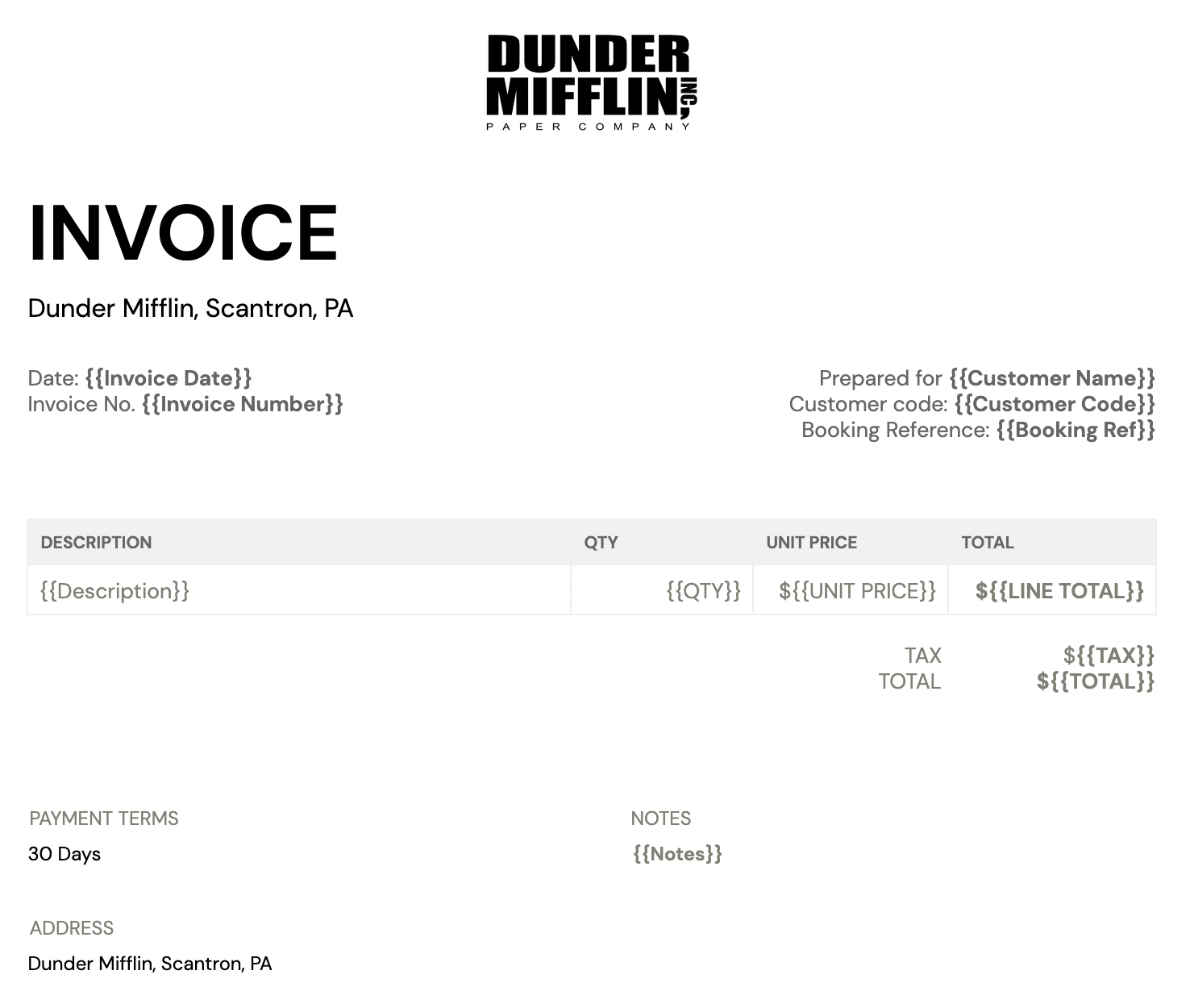
Automating your invoicing process with Portant's automation workflow can help you save time and ensure all the necessary details are accurate and up-to-date.
Using this template, you can quickly generate an invoice for your customers that includes all the required information to request payment promptly. This template is ideal for small to large-sized businesses needing a straightforward way to create invoices and keep track of outstanding payments.
You can easily create customized proforma invoices, ensuring all the necessary information is included to help facilitate swift payment.
By automating this process with Portant, you can save time and ensure your customers receive the documentation they need quickly.
FAQs
Q. Is a proforma invoice legally binding?
A. No. A proforma invoice states expected costs and terms rather than issuing a formal demand for payment, so it isn't a binding sales contract on its own. Once a buyer reviews and signs off on one, though, the agreed price and terms are much harder to dispute later.
Q. Can you pay from a proforma invoice?
A. You can, and sellers sometimes ask for a deposit against one, especially for custom orders or international shipments. The formal payment obligation only kicks in once the seller issues the final invoice, so treat a proforma invoice as confirmation of terms, not the bill itself.
Q. What's the difference between a proforma invoice and a quote?
A. A quote is an early, often informal estimate meant to open negotiation, while a proforma invoice comes after both sides have agreed on price and terms, formatted like a real invoice with itemized costs. Send a quote if the numbers might still change, and a proforma invoice once they're locked in.
Q. Do you need a proforma invoice for customs?
A. Often, yes, for shipments crossing an international border. Customs authorities and freight forwarders use it to estimate duties and check the shipment's value before the goods and the final invoice arrive, which is why exporters send one alongside the shipping paperwork.
Q. How do you create a proforma invoice?
A. List the same details as a regular invoice: seller and buyer information, itemized goods or services, quantities, unit prices, taxes, shipping and a validity period, then label it clearly as a proforma invoice. Portant's free proforma invoice template already has this layout built in, so you can fill in the details and send it in minutes.
Takeaway
Proforma invoices are crucial documents used in the sales process. They confirm that both parties agree on what is purchased, can be used for customs clearance and shipping documentation, and contain specific Information about the goods or services sold.
Automating your proforma invoice process with Portant's Google Sheets invoice template allows you to quickly generate invoices, helping you save time and ensure all the details are accurate.
With this tool, you can easily create custom proforma invoices and provide your customers receive the documentation they need on time.