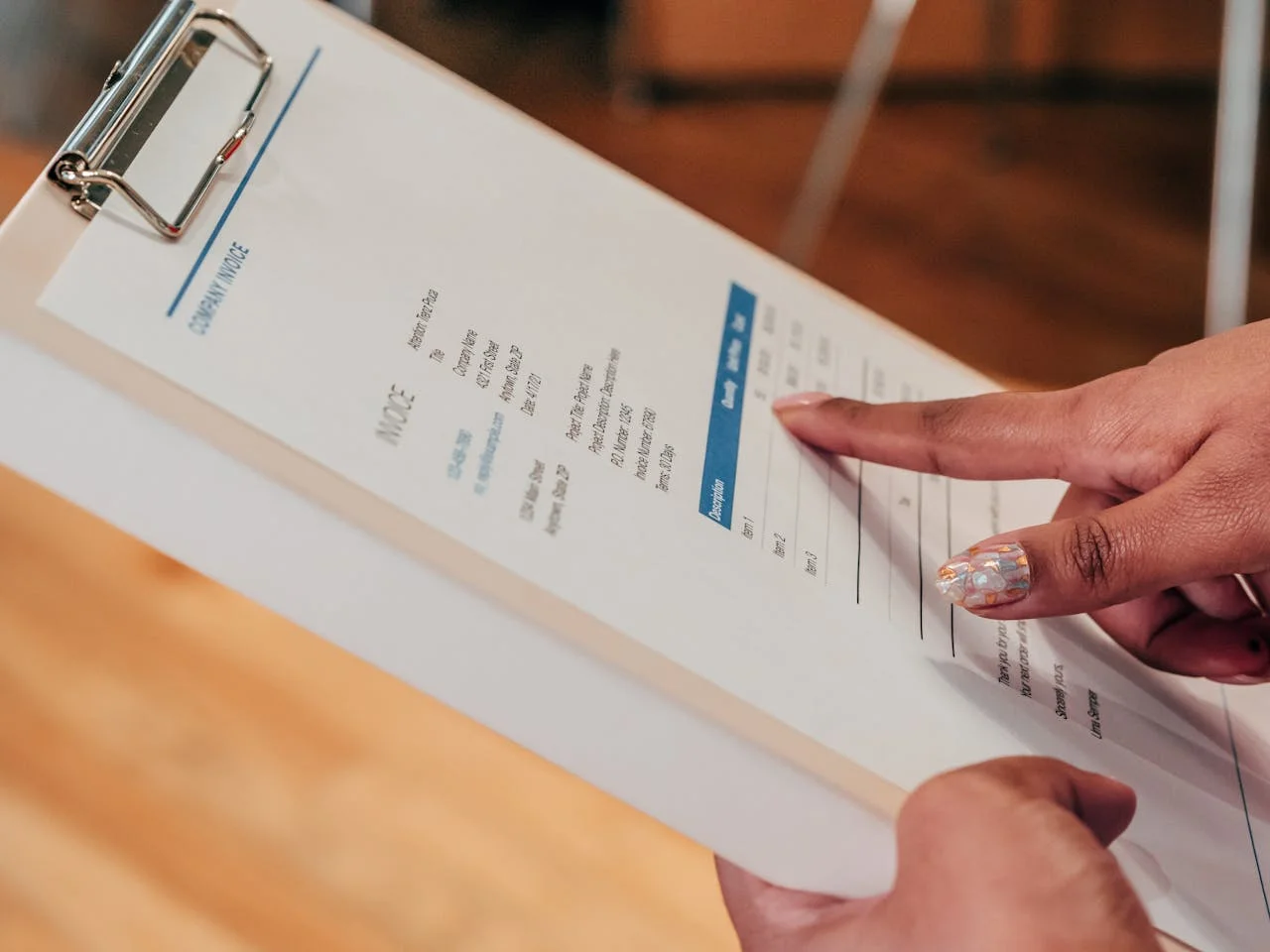


A sales invoice is a document you send after delivering goods or services, asking the customer to pay. It lists what you provided, the price of each item, the total due, and the payment terms, so both sides have one written record of the sale. Each one usually carries its own invoice number for tracking.
A sales invoice typically includes:
- Your business details and the customer’s contact information
- An invoice number and the invoice date
- A description, quantity, and price for each item or service
- The subtotal, any tax, and the total amount due
- Payment terms: the due date, accepted payment methods, and any late fees
Need to create an invoice?
Add your logo and line items, set tax and currency, and download a clean PDF. Free, no signup, no watermark.
What is a Sales Invoice?

If you send a price estimate before the work starts, that’s a quote, not an invoice. A sales invoice comes after you deliver the goods or service, when you’re ready to get paid, though some agreements call for payment upfront, in which case the invoice goes out first instead.
Once you know what belongs on it, writing an invoice takes a few minutes. The checklist above covers the essentials; the walkthrough below goes through each one in detail.
Why are Sales Invoices important?
Sales invoices are a vital part of running a successful business to account for expenses and end up with a profit.
It is also important to keep track of the invoices issued and the payment status of each invoice. This way, a business can better understand its overall sales performance and cash flow. This can help them to make more informed business decisions and plan for the future.
Despite the benefits that sales invoices provide to a business in terms of future planning, it also helps manage accounting documents.
Accounting Workflow
Invoices are a crucial part of maintaining organized and accurate financial records. They provide a clear record of each sale and transaction, which can be used to update an accounting document, such as a financial statement that tracks income and expenses.
Invoices are also important when it comes to tax time. When you file your taxes, you must report your income and expenses. Having a clear record of your invoices lets you quickly reference the income and expenses you need to report on your tax return.
Inventory Management
In case when a business sells physical products, issuing sales invoices is equally important in managing inventory.
Every time you sell something, you know how much inventory is still available, which keeps your stock counts accurate without a separate manual count.
Such information also helps your marketing by determining the best time to promote a product based on its selling behavior.
How to Create a Professional Sales Invoice
Follow these 8 steps in order and you will have a complete, professional sales invoice ready to send. Each one covers a required field and why it matters.
1. Start with Your Business Details
To ensure that your invoice is professional and effective, it’s important to include your business details on your sales invoice. This includes your company name, address, phone number, and email.
Additionally, including your business logo in your sales invoice can help make it easy for clients to identify the invoice as coming from you.
A business logo is a visual representation of your company, giving your invoices a professional and cohesive appearance. It also makes your sales invoices more memorable and distinguishable, particularly if you have many clients or invoices.
2. Add the Customer’s Contact Information
Including the customer’s contact information on your sales invoice helps establish a clear communication point and ensure that the invoice is delivered to the correct person. This information should include the customer’s name, company name (if applicable), address, phone number, and email.
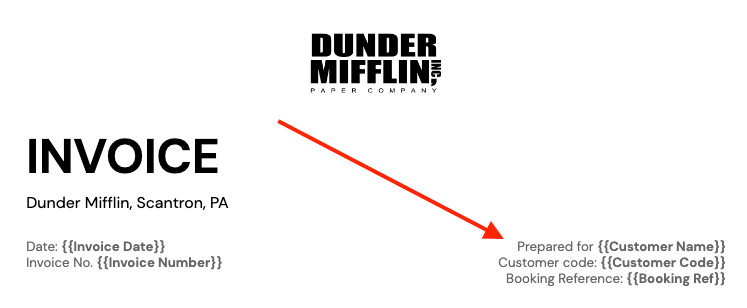
By including the customer’s contact information on your invoice, you can easily communicate with your clients and address any questions or issues that may arise.
Double-checking that the contact information is accurate and up-to-date before sending the invoice can prevent delays or misunderstandings.
3. Add an Invoice Number
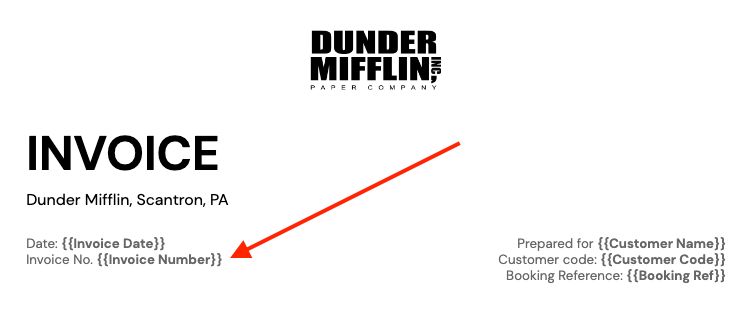
As a business owner, including an invoice number on your sales invoices keeps your day-to-day operations organized. This unique identifier allows you to refer back to a specific purchase order easily and helps ensure clarity when referring to a sales invoice.
It also demonstrates to your clients that you are serious about your business and pay attention to detail. Don’t neglect this important step in your invoicing process, include an invoice number on all your sales invoices.
4. Write in Your Goods or Services
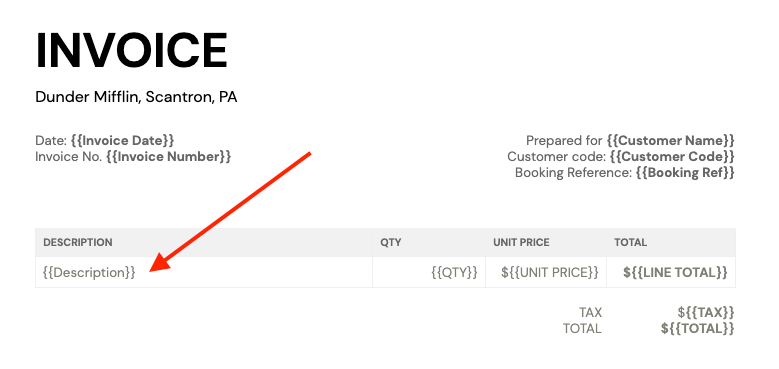
Writing your goods or services clearly and accurately is crucial to creating a professional sales invoice. This helps establish the full scope of the work completed and ensures that you are properly compensated for all the products or services provided.
To write the goods or services in your sales invoice, start by describing each item or service, including relevant details such as quantity or duration.
Including any codes or abbreviations commonly used in your industry may also be helpful.
In addition to the description, include the cost of each item or service, including any applicable taxes or fees. Clearly state the total cost to make sure everything is clear.
An itemized invoice that lists every charge on its own line makes it easier for customers to check and approve the bill.
5. Include the Payment Terms
Including the payment terms in your sales invoice is essential in establishing payment expectations with your clients.
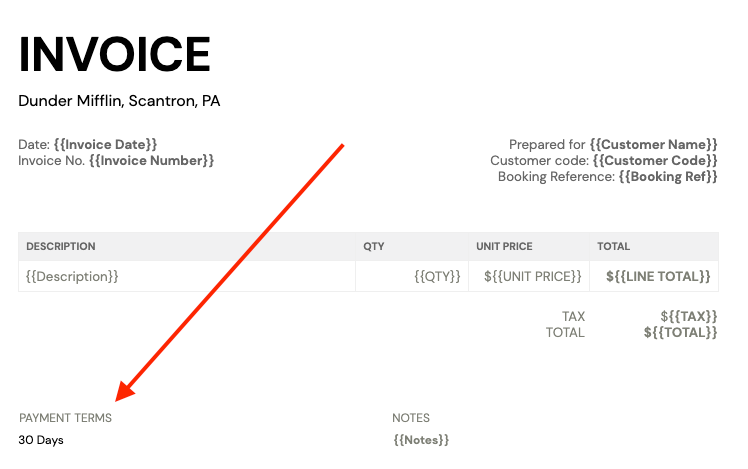
By specifying the payment due date, late payment fees, and accepted payment method, you can help to protect your rights as a business owner and ensure that your invoicing process runs smoothly. This could include cash, check, credit card, or electronic transfer options.
6. Assign a Customer Code to Your Sales Invoice
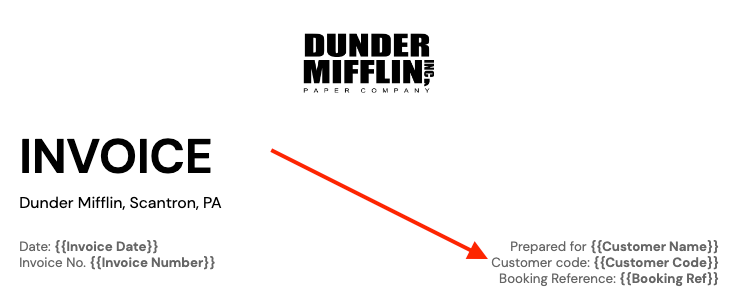
Including a customer code on your sales invoice can be helpful in terms of record-keeping by differentiating client from client and tax compliance.
By assigning a unique identifier to each client, you can easily track purchase orders from goods or services provided to each client and ensure that you have all of the necessary documentation for tax purposes.
It can also help ensure clarity and consistency when reconciling invoices and tracking payments.
7. Add an Invoice date
Adding an invoice date in your sales invoice helps to establish the timeline of the work that has been completed and when payment is due, which is essential in ensuring that you receive payment promptly.
The top of the document is the most common place to include an invoice date.
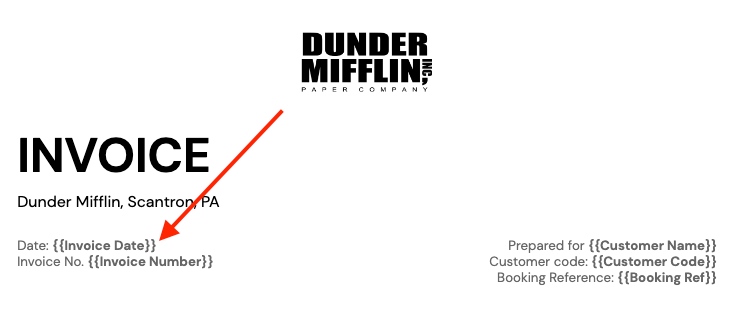
It is crucial to ensure that the invoice date is accurate and up-to-date to avoid delays or misunderstandings.
In addition, it helps in deciding when to follow up with your clients regarding late payments.
By adding an invoice date to your sales invoices, you can improve the organization and workflow of your selling process and accounting department.
8. Calculate the Amount and Sales Tax
It is important to include the amount and sales tax in your commercial invoices to accurately reflect the total cost of the goods or services that you have provided to your client.
The amount should include the unit price of each item or services rendered as well as any applicable taxes or fees.
The sales tax is a percentage of the amount the government collects and is typically based on the location of the sale.
To calculate the amount and tax, you will need to determine the cost of each item or service and the applicable sales tax rate. You can then add the amount and the sales tax to calculate the total amount due, which should be clearly stated on your invoice.
Use Portant’s Free Sales Invoice Template
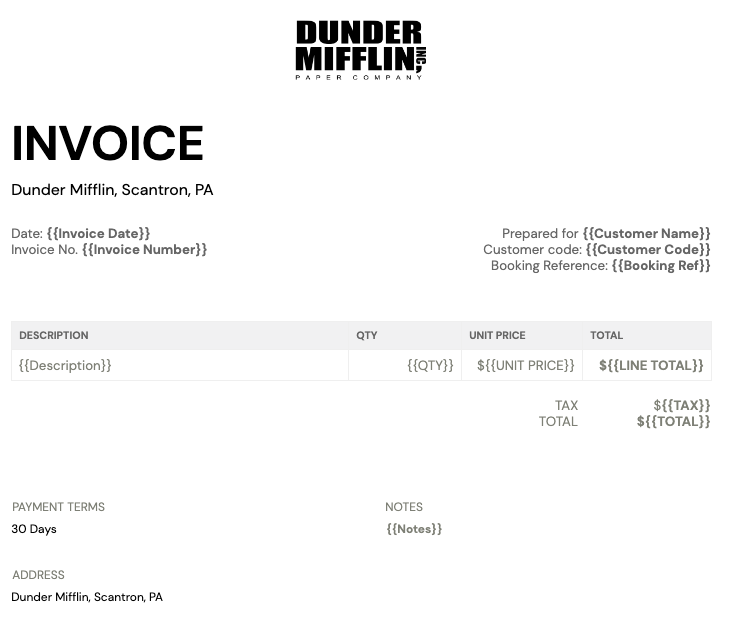
With Portant’s free sales invoice template, you can quickly and easily create customized invoices that accurately reflect your brand and the goods or services you have provided to your customers.
The template includes all of the important details that should be included in a sales invoice. Using Portant's sales invoice template, you can streamline your invoicing process, ensure that you accurately and professionally request payment, and increase the likelihood that your customer pays you.
How to Request Payment with Your Sales Invoice Using Portant
Portant's automation features make requesting payments a breeze. Using the free sales invoice template shared with you at the beginning, you can easily create professional and effective invoices that clearly outline all the things one must include in their sales invoice.
But there's more - with Portant's automation features, you can eliminate the hassle of requesting payments altogether. The app allows you to send bulk payment reminders and notifications to be sent to your clients. This means that you can sit back and let Portant handle the nitty-gritty details of requesting payment, freeing you up to focus on running your business.
Portant's automation features also allow you to set up recurring invoices for clients to who you provide common goods or services. This means you can set it up once and forget it, knowing that you will be paid consistently without lifting a finger.
James the founder of the app, walks you through the whole process in a few minutes in the following video:
If you want to take advantage of Portant's automation features, get started for free and start sending invoices in minutes.
FAQs
Q. What is a sales invoice number?
A. A sales invoice number is the unique identifier assigned to each sales invoice. It keeps your invoices in sequence for record-keeping, makes each payment easy to match to its invoice, and usually sits near the top of the document next to the date.
Q. Is a sales invoice a receipt?
A. A sales invoice serves to request payment, whereas a receipt is payment proof of a sold product.
Q. Who can issue a sales invoice?
A. Issuing sales invoices is not limited to an accounting team. Anyone that sold a product or a specific service to someone else can freely issue an invoice.
Q. Is a sales invoice an expense?
A. Sales invoices show as profit in your accounting balance sheet.
Q. What is the difference between a bill of sale and an invoice?
A. A bill of sale is a legal document that transfers ownership of an item, typically used for a one-time sale like a vehicle or piece of equipment, and it is signed by both parties. A sales invoice requests payment and does not transfer ownership on its own, and it is common for repeat business and services.
Q. What is the difference between a tax invoice and a sales invoice?
A. A tax invoice is a sales invoice that meets specific tax requirements, such as showing the tax charged and your tax registration number, so the buyer can claim it for tax purposes. A regular sales invoice does not have to meet those requirements. Check your local tax authority's rules to see which fields your invoices need.